
High-precision injection mold manufacturing represents one of the most demanding disciplines in modern plastic production. The accuracy of molds directly determines the quality, consistency, and reliability of the final product. Even a deviation of a fraction of a millimeter can lead to defects, assembly failures, or costly rework. For manufacturers, engineers, and technicians, mastering every stage of mold production from advanced design to meticulous machining is not just a technical requirement but a strategic necessity. This article provides a detailed guide to the essential phases, components, and quality considerations that underpin successful mold manufacturing.
Introduction
High-precision injection mold manufacturing represents one of the most demanding disciplines in modern plastic production. The accuracy of molds directly determines the quality, consistency, and reliability of the final product. Even a deviation of a fraction of a millimeter can lead to defects, assembly failures, or costly rework. For manufacturers, engineers, and technicians, mastering every stage of mold production—from advanced design to meticulous machining is not just a technical requirement but a strategic necessity. This article provides a detailed guide to the essential phases, components, and quality considerations that underpin successful mold manufacturing.
Core Manufacturing Stages
1. Engineering Design (CAD/CAM)
The design stage is the cornerstone of precision mold manufacturing. Using advanced CAD (Computer-Aided Design) and CAM (Computer-Aided Manufacturing) systems, engineers create highly detailed digital models of molds. These models allow for simulation, error detection, and optimization before machining begins. Anticipating potential design flaws can reduce post-design modifications by up to 40%.
2. Steel Selection (Steel Grade)
The choice of steel directly influences mold durability, resistance, and performance under high-pressure injection conditions. Common Grades are H13 Tool Steel and K110 Steel
- Impact: Selecting the right grade ensures mold longevity, reduces downtime, and maintains consistent product quality.
3. Machining Operations (CNC, EDM)
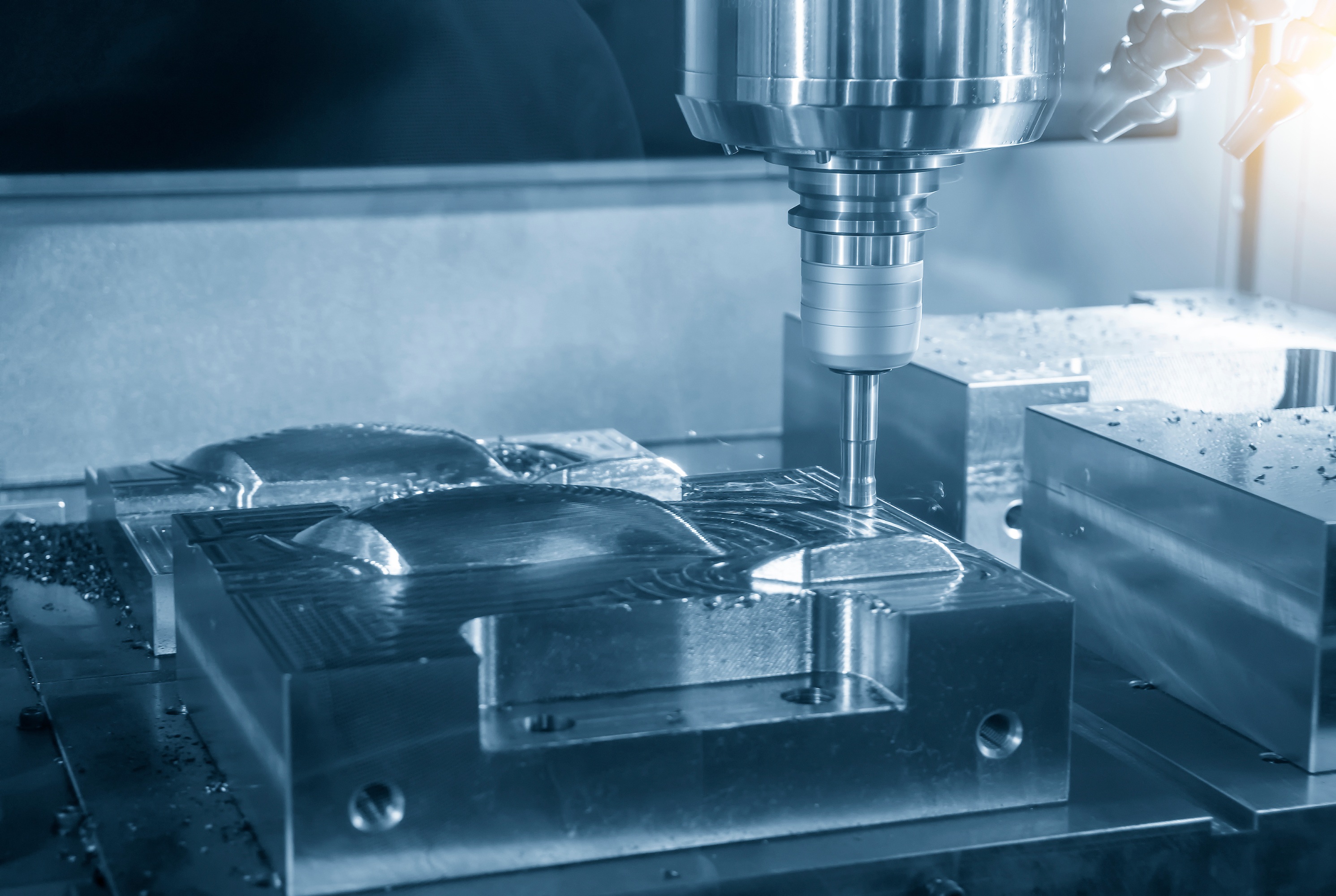
Precision machining transforms digital designs into physical molds.
- CNC (Computer Numerical Control): Provides accurate carving, shaping, and drilling with tolerances as fine as ±0.01 mm.
- EDM (Electrical Discharge Machining): Enables the creation of intricate cavities and sharp corners that CNC alone cannot achieve.
- Outcome: Combined, these processes deliver molds with dimensional accuracy down to fractions of a millimeter, reflecting the craftsmanship required in high-precision manufacturing.
Key Mold Components
1. Cavity and Core
The fixed half (cavity) and moving half (core) define the geometry of the plastic product.
- Precision Requirement: Misalignment can cause flash defects or dimensional inconsistencies.
- Best Practice: High-accuracy machining ensures perfect fit and repeatability across production cycles.
2. Cooling System
Cooling is critical for controlling the solidification rate of molten plastic.
- Function: Regulates temperature to prevent warping and surface defects.
- Advanced Designs: Conformal cooling channels can reduce cycle times by up to 30%, boosting efficiency.
3. Ejection System
Once the plastic part solidifies, it must be safely removed from the mold.
- Challenge: Poorly designed ejection systems can cause sticking or deformation.
- Solution: Precision-engineered ejector pins and plates ensure smooth release without damaging the product.
The Importance of Dimensional Tolerance
Dimensional tolerance is the backbone of mold quality. It defines the allowable variation in measurements during manufacturing.
- Consequences of Poor Control:
- Deformation of parts
- Mismatched assemblies
- Reduced functional performance
- Case Example: In medical device production, a tolerance deviation of just 0.02 mm can compromise safety and usability.
- Strategic Value: Strict tolerance management reduces rework, minimizes waste, and ensures consistent product quality across large production runs.
Practical Industry Insights
- Cost Efficiency: Precision in design and machining reduces scrap rates and lowers overall production costs.
- Sustainability: High-quality molds extend lifecycle, reducing the need for frequent replacements and conserving resources.
- Competitiveness: Manufacturers who master precision mold production gain a decisive edge in industries such as automotive, electronics, and medical devices, where reliability is non-negotiable.
Conclusion
High-precision injection mold manufacturing is a discipline that demands excellence at every stage. From CAD/CAM design to steel selection, from CNC and EDM machining to the careful engineering of cavity, core, cooling, and ejection systems, each step contributes to the final product’s accuracy and reliability. Above all, dimensional tolerance control ensures defect-free outputs and sustainable efficiency.
By adhering to these practices, manufacturers not only achieve superior product quality but also enhance production efficiency, reduce waste, and secure a competitive advantage in global markets. As industries advance toward smart manufacturing and automation, precision mold production will remain a cornerstone of innovation and industrial success.