
In injection molding, success is rarely determined by machine capacity or resin quality alone. The decisive factor lies in design precision—the subtle details that dictate whether a part emerges flawless or plagued by molding defects such as sink marks, warpage, or surface scratches. Ignoring these fundamentals often results in costly mold rework, which can consume up to 40% of a project’s budget. For manufacturers striving for efficiency and competitiveness, mastering these design rules is not optional—it is strategic.
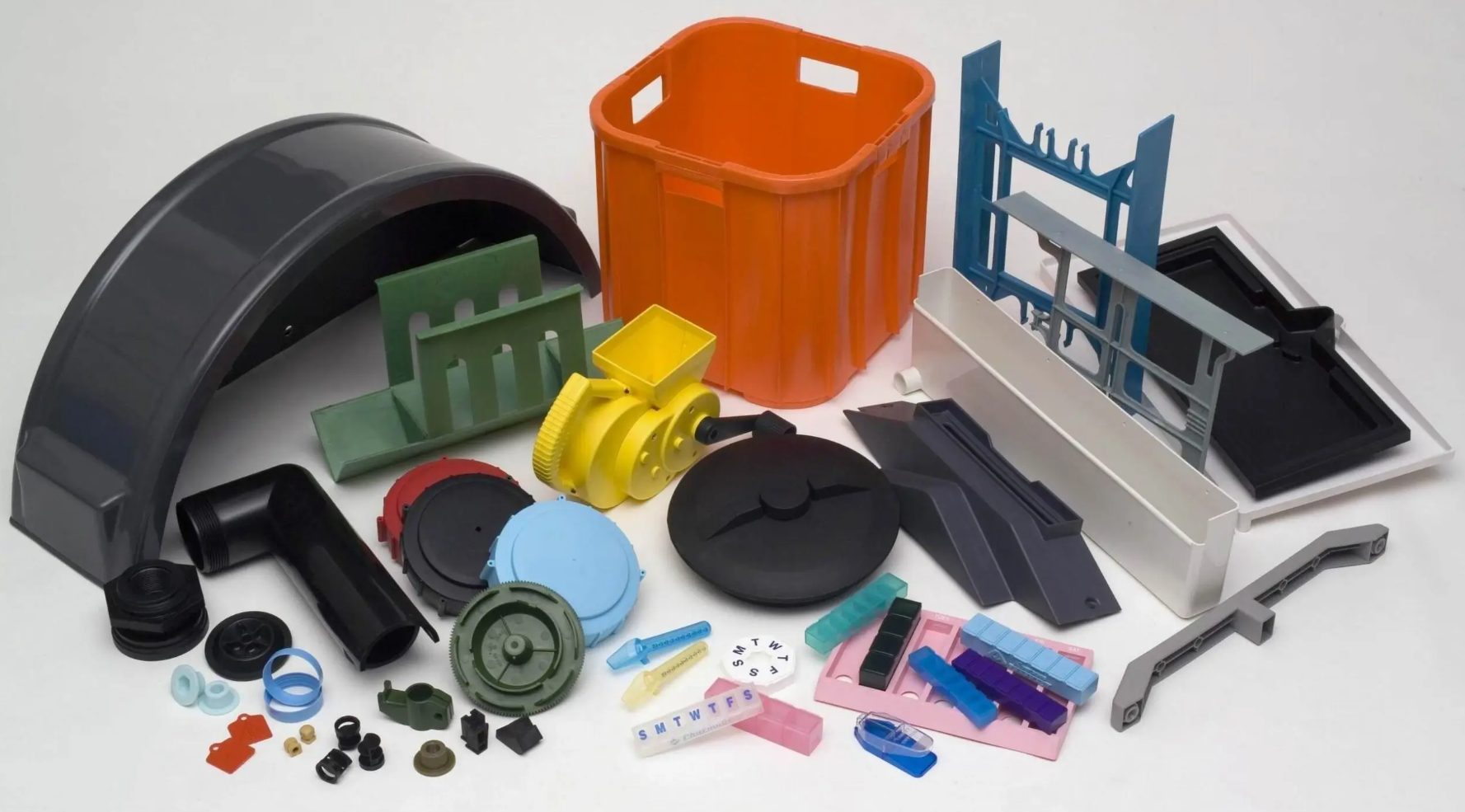
Introduction: The Hidden Challenge in Plastic Injection Molding
In injection molding, success is rarely determined by machine capacity or resin quality alone. The decisive factor lies in design precision—the subtle details that dictate whether a part emerges flawless or plagued by molding defects such as sink marks, warpage, or surface scratches. Ignoring these fundamentals often results in costly mold rework, which can consume up to 40% of a project’s budget. For manufacturers striving for efficiency and competitiveness, mastering these design rules is not optional—it is strategic.
Wall Thickness: Controlling Sink Marks and Warpage
· Wall thickness is the single most critical variable in achieving consistent cooling and dimensional stability.
· Excessive thickness leads to uneven cooling, causing sink marks due to localized shrinkage. For example, a housing with 4 mm walls in one section and 2 mm elsewhere can exhibit shrinkage differences of nearly 30%, resulting in visible depressions.
· Maintaining uniform wall thickness across the part is the most effective way to prevent warpage. When uniformity is not possible, techniques such as core-cavity balancing or localized cooling channels can mitigate risks.
· Studies show that optimized wall thickness reduces warpage probability by up to 25%, directly improving plastic product quality.
Draft Angles: Protecting the Mold and the Product
· Draft angles (Draft_Angle) are the slight tapers applied to vertical walls to facilitate ejection.
· Without draft, parts stick to the mold, leading to scratches, deformation, or even cavity damage.
· A practical guideline is to apply 1°–3° draft per side, increasing the angle for textured or rough surfaces.
· Proper draft design reduces ejection time by approximately 15%, while ensuring smooth release and preserving plastic product quality.
· In high-volume production, this small adjustment translates into significant cycle time savings and extended mold life.
Ribs and Bosses: Reinforcement Without Defects
· Ribs and Bosses are essential for structural reinforcement and assembly features, but poor design often introduces molding defects.
· Ribs that are too thick create sink marks at their base. The rule of thumb: rib thickness should be 50–70% of the adjacent wall thickness.
· Bosses, commonly used for screw seating or alignment, must be supported with ribs to distribute stress and prevent cracking.
· For instance, reinforcing a 4 mm Boss with a 1.2 mm rib increased fracture resistance by 20% in an electronic enclosure, without introducing surface defects.
· Thoughtful rib and boss design enhances mechanical strength while maintaining aesthetic and dimensional integrity.
Conclusion: Precision Design as a Competitive Advantage
Adhering to principles of uniform wall thickness, applying correct Draft Angle, and designing Ribs and Bosses with care is not merely about avoiding defects—it is about building a competitive edge. These details ensure defect-free injection molding, reduce maintenance costs, and elevate the overall quality of plastic products. Manufacturers who embed these practices into their design culture consistently deliver parts that meet both functional and aesthetic demands, positioning themselves as leaders in the industry.