
In injection molding, the choice of plastic materials is far more than a naming convention—it is a strategic engineering decision. Each resin carries unique mechanical, thermal, and chemical behaviors that directly impact mold design, cycle time, and product reliability. Manufacturers who underestimate these differences often face costly challenges: warpage, dimensional instability, or premature product failure. For engineers and production managers, mastering material selection is a decisive factor in reducing costs and ensuring long-term competitiveness.
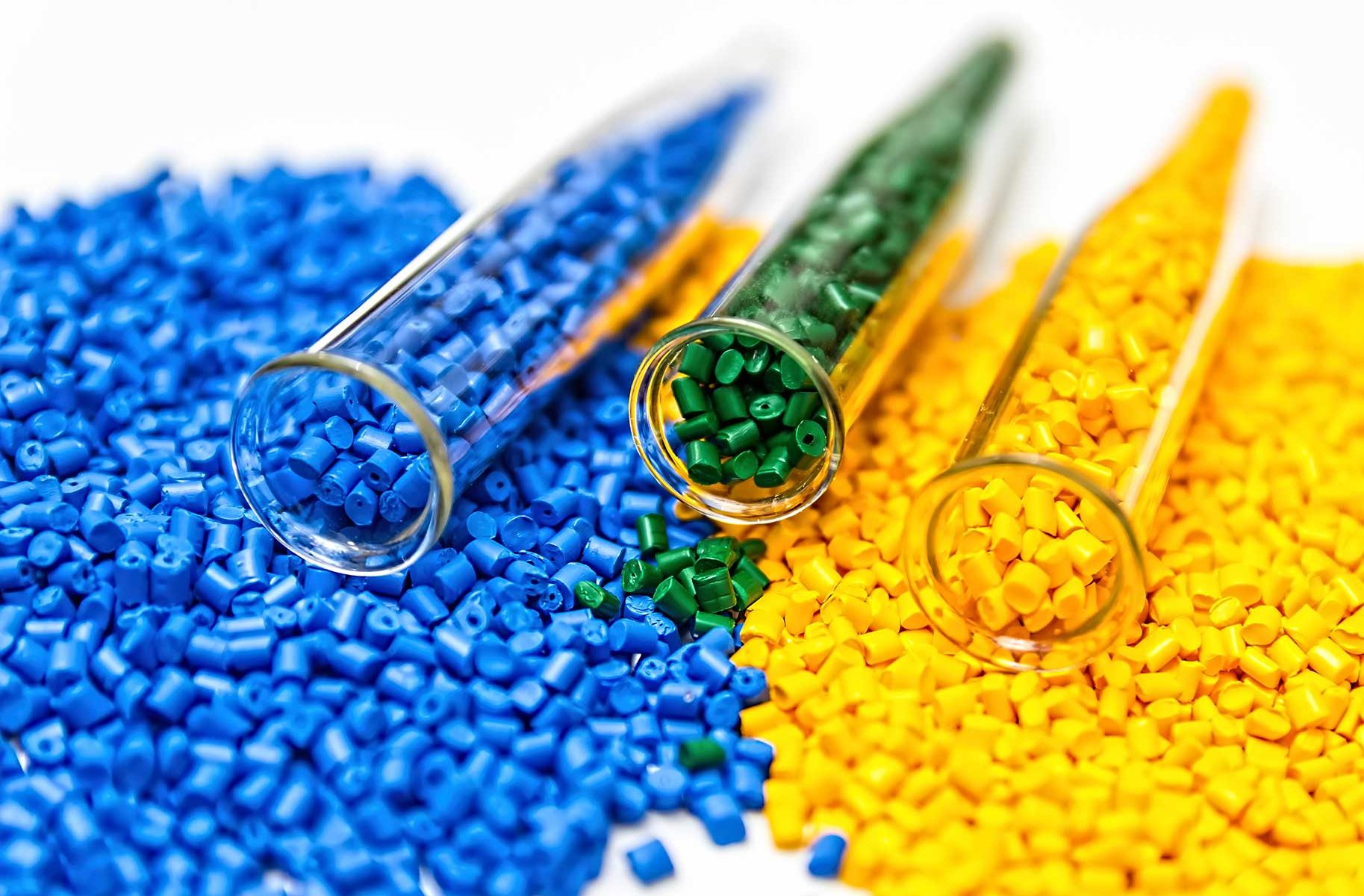
Thermoplastics vs. Thermosets: The Fundamental Classification
· Thermoplastics: Soften when heated and can be reshaped multiple times. They dominate polymer injection molding thanks to recyclability and suitability for high-volume production.
· Thermosets: Undergo irreversible cross-linking, offering superior thermal and chemical resistance. They are chosen for applications requiring dimensional stability under heat, such as electrical housings or automotive under‑hood components.
In practice, thermoplastics are the default for consumer goods and automotive interiors, while thermosets are reserved for specialized, high‑temperature environments.
Properties of Key Plastics: PP, PE, ABS, PC, Nylon
|
Material |
Mechanical Strength |
Heat Resistance |
Chemical Resistance |
Moisture Absorption |
|
PP |
Medium, flexible |
Good up to ~100°C |
Resistant to acids/alkalis |
Low |
|
PE |
Low to medium |
Low to medium |
Excellent vs. solvents |
Low |
|
ABS |
Strong, rigid |
Moderate (~80–100°C) |
Sensitive to solvents |
Low |
|
PC |
Very high |
High (~120–140°C) |
Good, but affected by strong acids |
Low |
|
Nylon |
High, impact-resistant |
Good (varies by grade) |
Good, but sensitive to water |
High |
· ABS is widely used for housings and automotive trims due to its balance of toughness and surface quality.
· PP dominates packaging and automotive interiors thanks to chemical resistance and low density.
· Nylon is the go-to for gears and mechanical parts, but requires strict drying before molding to avoid dimensional shifts.
Material Selection: Linking Product Requirements to Resin Properties
Effective material selection begins with product requirements:
· Lightweight covers with chemical resistance → PP offers cost efficiency and weldability.
· Transparent, high‑impact parts → PC or PC‑ABS blends, though cooling control is critical to avoid stress cracking.
· Mechanical components under repeated loads → Nylon, provided moisture absorption is managed through pre‑drying.
Integrating Design for Manufacturability (DFM) at this stage is not optional—it is a cost‑saving strategy. Industry data shows that applying DFM early can reduce mold modifications and save up to 30–40% of downstream costs.
Conclusion
Success in polymer injection molding begins with the resin. Understanding the differences between thermoplastics and thermosets, and the specific behaviors of ABS, PP, and Nylon, enables engineers to minimize rejection rates, improve dimensional accuracy, and extend mold life. Early integration of material considerations into design translates into measurable savings in cost and time, while reinforcing competitiveness in a demanding market. A plastic resin represents a strategic engineering decision that determines product success throughout its lifecycle.